
Rapid water removal
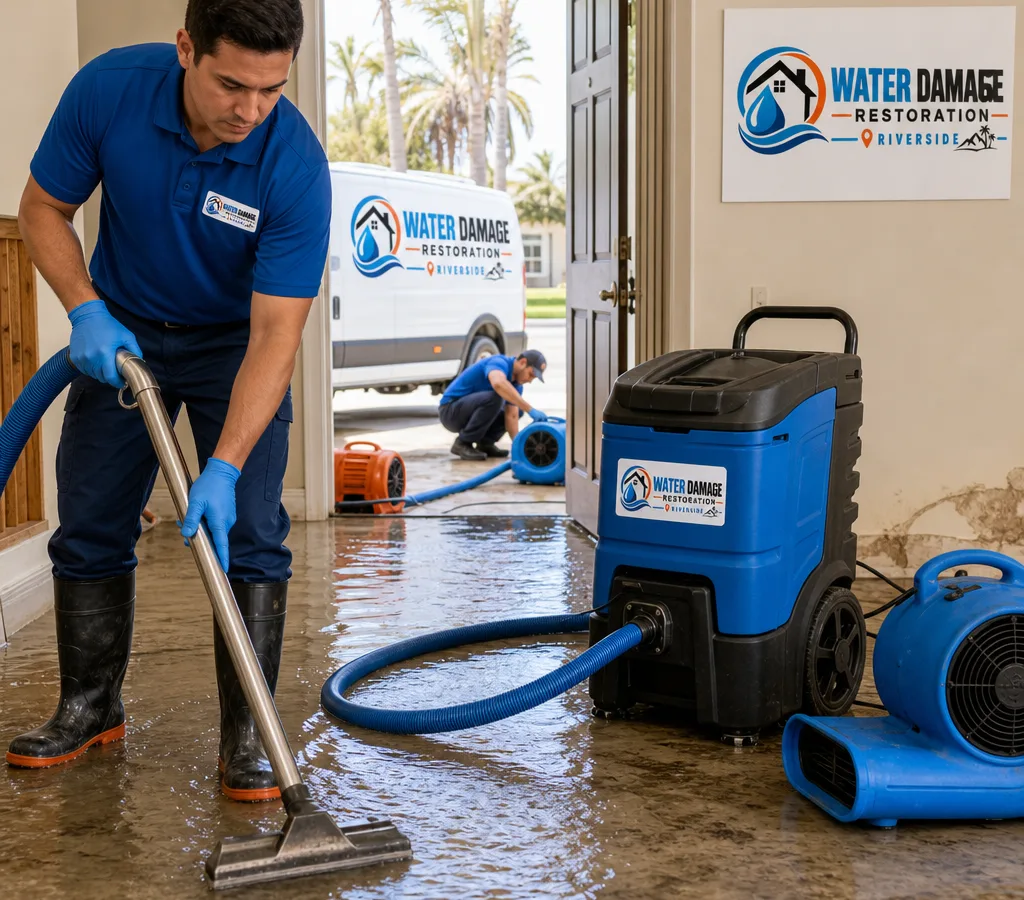
High-volume extraction for standing water plus targeted pickup from carpet, pad, and hard floors to limit how far moisture spreads.
Serving Riverside, California & surrounding areas
24/7 Emergency Response
Water damage restoration in Riverside, CA
When water gets in, time matters. Get rapid extraction, careful drying, and restoration work that documents what happened and protects what comes next.
If you searched water damage restoration riverside ca, you are probably dealing with a leak, overflow, or unexpected water intrusion that cannot wait. Water Damage Restoration Riverside provides water removal, structural drying, cleanup, and restoration support for properties in Riverside, CA (92502). The goal is straightforward: stop the spread, dry the structure the right way, and help you get the space safely back to normal.
Riverside properties often combine older construction with modern upgrades, and water behaves differently in each. A slow supply-line leak under a kitchen sink can soak cabinets and subflooring. An upstairs bathroom overflow can move through wall cavities and show up downstairs hours later. Even when floors look dry, moisture can remain behind baseboards or under pad and carpet.
Our team approaches each loss like a building investigation. We locate the water source, map where it traveled, and choose drying methods that match the materials involved. If you are looking for a local company that can explain the plan in plain terms and keep the work moving, Water Damage Riverside is built around that kind of response.
Measured restoration support
High-volume extraction for standing water plus targeted pickup from carpet, pad, and hard floors to limit how far moisture spreads.
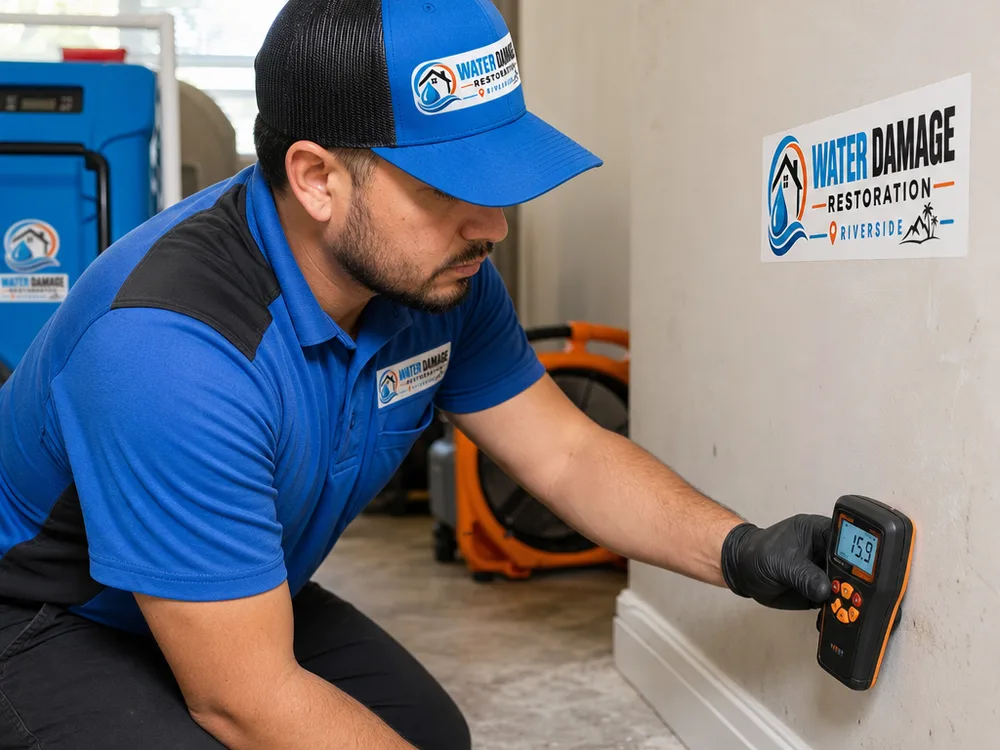
We trace moisture in walls, floors, and cabinetry so drying is based on measurements, not guesswork.
Air movers and dehumidification are set up to dry the structure evenly and reduce the risk of swelling, warping, and secondary damage.
Debris removal, cleaning, and deodorizing steps are matched to the category of water and the materials affected.
Photos, readings, and a written scope help everyone stay aligned, including property managers and insurance adjusters when applicable.
After dry-out, we outline what needs repair or replacement so you can make decisions with a clear sequence and timeline.
Complete loss recovery
Water damage restoration in Riverside usually includes several phases, and the right order matters.
First is source control and safety. If water is still moving, the priority is stopping it through a shutoff, temporary patch, or containment and identifying electrical or slip hazards.
Next is extraction and removal of unsalvageable materials. Standing water is removed quickly, and materials that trap moisture—like saturated pad, swollen particle board, or collapsed drywall—may need selective demolition to open the structure for drying.
Then comes structural drying. We use professional dehumidification and air movement and keep checking moisture content until materials reach a dry standard. Too little drying leaves moisture behind; overly aggressive drying can damage certain finishes.
Finally, we transition into restoration. Repairs, replacements, and finishing work begin after drying is confirmed. Sewage or other contaminated water may require added containment, cleaning, and disposal steps.
In Downtown Riverside and the Magnolia Center area, water can migrate between units in condos, older homes, and mixed-use buildings. In Canyon Crest and parts of La Sierra, multi-level layouts make it easier for water to travel vertically through ceiling bays and wall cavities, so early moisture mapping makes a real difference.
Assessment to restoration
We walk the affected areas, identify likely paths of migration, take moisture readings, and document conditions so the plan matches the actual building materials and damage.
We remove standing water and take out select wet materials that cannot dry in place, like saturated pad or damaged drywall, to expose trapped moisture.
Air movers and dehumidifiers are positioned for airflow patterns, not just room count. We track readings and adjust equipment as conditions change.
Based on water category and affected surfaces, we clean, sanitize when appropriate, and advise on contents that should be moved, packed out, or isolated.
Once readings confirm drying goals are met, we provide next-step guidance for repairs and finishing so reconstruction starts from a dry, stable structure.
Riverside restoration pricing
Water damage restoration in Riverside typically ranges from about $1,500 to $8,000+, with small, contained losses on the lower end and larger multi-room events, contaminated water, or projects needing demolition and rebuild on the high end. A simple extraction and dry-out in one area often runs $1,500 to $3,500, while larger structural drying with material removal commonly lands around $3,500 to $8,000+.
Final price depends on how long water sat, how many materials are affected, access to wet areas, and what safety controls are needed for Category 2 or 3 water. Exact scope and cost are confirmed after an on-site inspection and moisture mapping.
“A supply line failed while we were out. They arrived quickly, pulled the water out of the hallway and bedrooms, and explained why the walls needed to be opened in a few spots. The drying plan and updates were clear, and the musty smell was gone after the dehumidifiers ran.”
“We manage a small office suite and had a ceiling leak from upstairs. The team documented everything with photos and readings and kept the disruption down. They were upfront about what had to be removed and what could be saved.”
Practical next steps
Start as soon as you can, ideally the same day, because moisture spreads into drywall, baseboards, and subflooring quickly and gets harder to dry cleanly over time. Early extraction and drying also lowers the odds that you will need larger tear-out later.
If it is safe, stop the water source, shut off power to affected areas if there is standing water near outlets, and move small valuables or electronics to a dry spot. Avoid running HVAC if you suspect water reached vents or insulation, and avoid disturbing wet drywall ceilings that may be heavy and unstable.
No. Removal depends on how saturated the materials are and whether they can dry to an acceptable reading in place. Baseboards and small drywall flood cuts are common when water wicked up walls, while some hard-surface floors may be salvageable if moisture has not migrated under them.
Many residential dry-outs take about 3 to 5 days, but the real timeline depends on material thickness, trapped moisture behind cabinets or tile, and humidity conditions. Drying is complete when moisture measurements show the structure is back to a dry standard, not when it feels dry to the touch.
Coverage depends on your policy and what caused the water, such as a sudden plumbing failure versus long-term seepage. We can provide documentation like photos and moisture readings to support the claim review, but the insurer makes the coverage decision.
Yes, contaminated water requires additional safety controls, containment, and disposal steps compared with clean water losses. The scope changes based on water category, affected surfaces, and whether porous materials like insulation, carpet pad, or drywall were impacted.
Yes. Contents often need quick triage. We can advise what should be moved immediately, what can be cleaned in place, and what should be isolated to prevent odor transfer or cross-contamination, depending on the type of water and exposure time.
If your property has wet floors, stained drywall, or a persistent damp smell after a leak, getting a measured drying plan now can prevent larger repairs later.
Call for Emergency HelpTell us what happened and what areas are affected. We will review the situation, explain the next steps, and provide a clear scope for extraction, drying, cleanup, and restoration.