Mold Removal
Removal of affected materials and cleaning of impacted surfaces to address visible growth and the contamination left behind.
Serving Riverside, California & surrounding areas
Emergency Response
Emergency response available in Riverside, CA
Protect your home and get back to normal sooner with help for leaks, floods, and burst pipes. The contractor handles water extraction, careful drying, and cleanup with clear next steps.
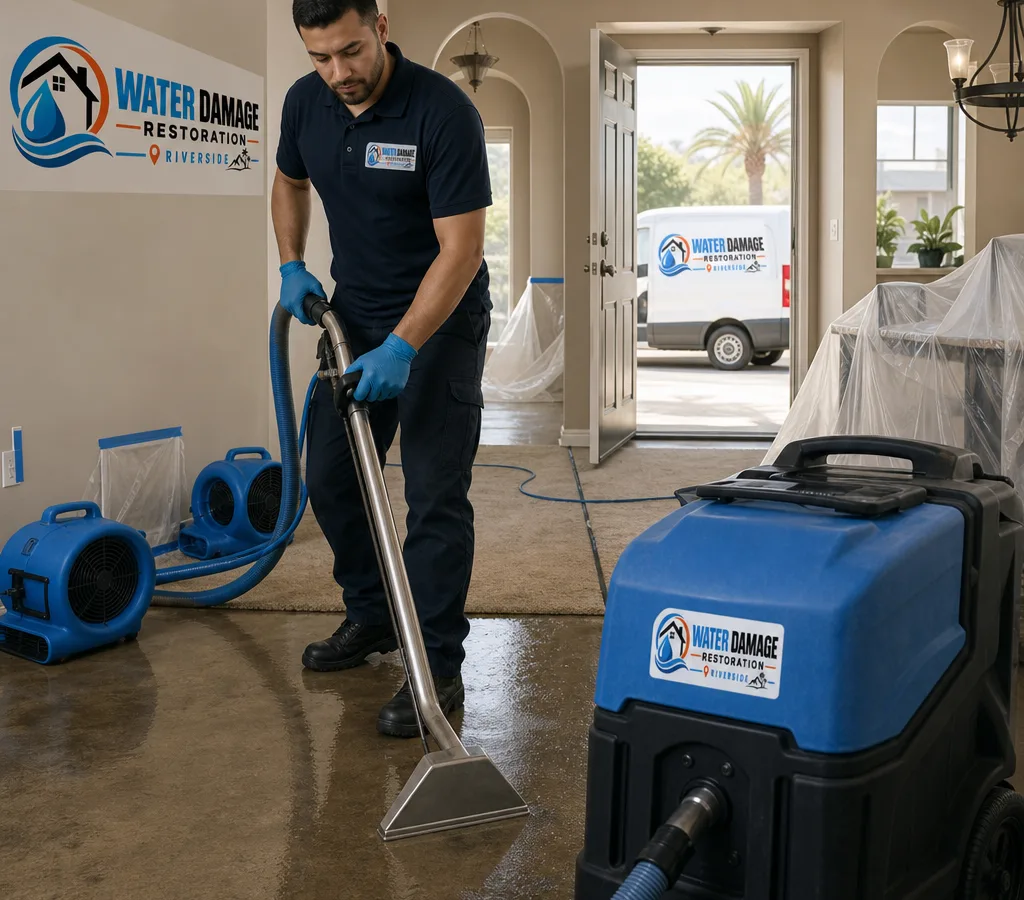
Commercial extraction and monitored structural drying for Riverside-area homes.
Stop the spread. Measure the moisture. Dry the structure correctly.
Serving Riverside, California and surrounding areas
Measured local response
Water damage moves quickly. Within hours it can wick into baseboards, drywall, and flooring, and it often spreads farther than what you can see on the surface. If you searched water damage Riverside, you probably need two things right away: the water stopped and a plan to dry the structure correctly.
Water Damage Restoration Riverside focuses on the practical work that protects a property: source checks, water extraction, targeted demolition when materials can't be saved, structural drying, and detailed documentation of what was found. The contractor uses moisture meters and thermal imaging to track damp areas, then set drying equipment based on readings, not guesses. You get straightforward updates, photos when helpful, and a clear scope before major work starts.
Common situations the contractor responds to in Riverside include supply line leaks under sinks, water heater failures, washer hose breaks, slab or wall leaks, HVAC drain overflows, and storm-related intrusion around doors or windows. If the water has been sitting or there is visible staining, odor, or swelling materials, treating it quickly reduces the amount of removal needed later.
Request Emergency Service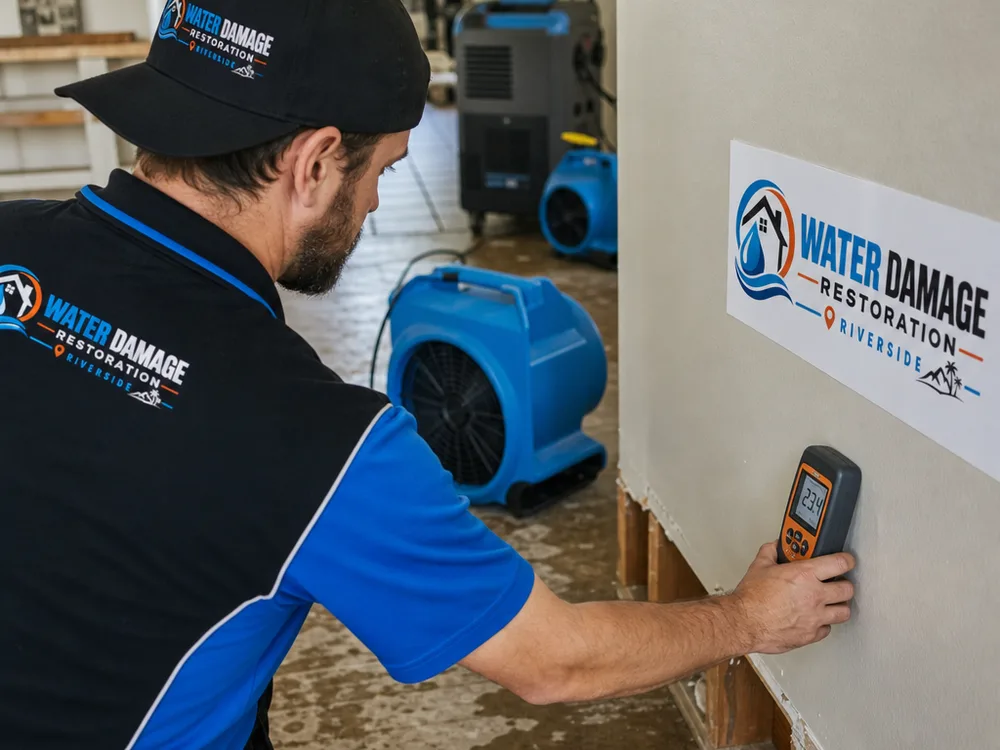
Complete property recovery
Removal of affected materials and cleaning of impacted surfaces to address visible growth and the contamination left behind.
On-site evaluation and testing options to confirm whether mold is present, where it's coming from, and what areas are affected.
Containment, negative air control, cleaning, and post-remediation verification steps to restore affected areas safely and correctly.
Full restoration workflow after a water loss, including extraction, structural drying, material removal, and repair planning based on moisture mapping.
A controlled restoration plan
The contractor removes standing water, then dry cavities and framing with commercial dehumidifiers and air movers sized to the loss.
The contractor documents wet areas with meter readings and thermal imaging so drying targets the full affected footprint.
If drywall, insulation, or flooring can't be saved, the contractor removes only what's necessary to access and dries the structure.
The contractor addresses residue and odor sources left behind by the water event, especially when water was dirty or sat for a while.
You get practical explanations, photos when helpful, and a defined plan so there's no confusion about what happens next.
Local, practical restoration
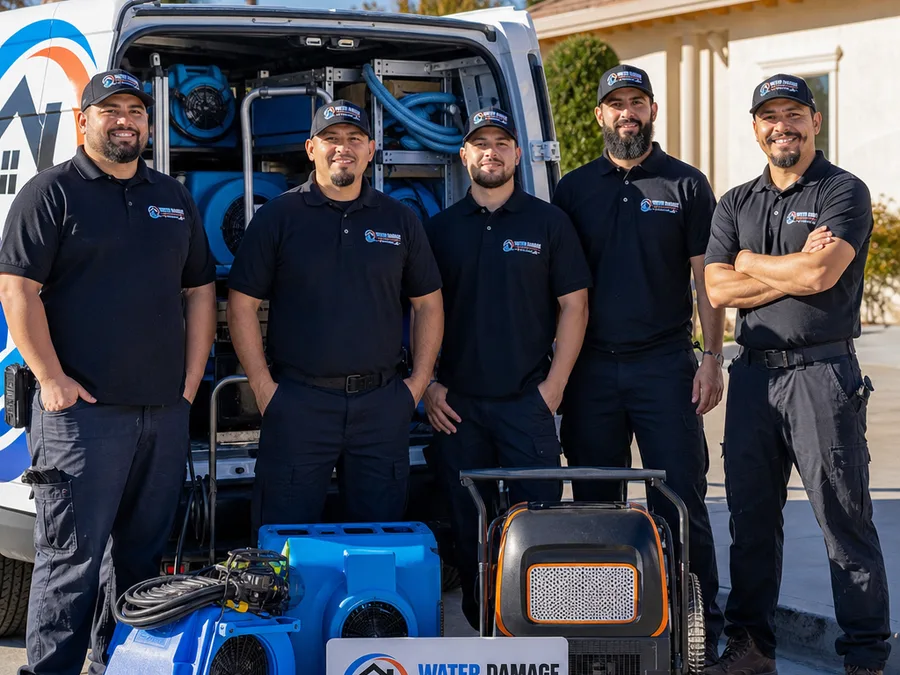
Water Damage Restoration Riverside is a local team serving Riverside, CA with a single goal: stop the damage from spreading and dry the property the right way. The contractor treats each water loss like a building science problem. That means finding where water traveled, creating airflow where it's needed, controlling humidity, and checking progress with documented readings.
The work is designed to reduce secondary damage. When drying is rushed or incomplete, moisture can remain trapped behind walls, under flooring, or in cabinets. The contractor focuses on access, measurement, and a step-by-step drying plan so you can make confident decisions about repairs.
If your situation includes sewage, gray water, or materials that may be unsafe to clean, the contractor will tell you plainly what should be removed versus restored. If it's a clean-water leak and materials are still in good shape, they will focus on drying and saving what can be saved.
Request Emergency ServiceAssessment to repair handoff
Each stage is guided by visible conditions and documented moisture readings, keeping the work organized from containment through repair planning.
The contractor identifies the water source, checks safety concerns, and limits spread with barriers and floor protection where needed.
Standing water is removed first. If materials are saturated beyond recovery, the contractor removes them to expose wet cavities.
Air movers and dehumidifiers are set based on moisture readings, then adjusted as the structure dries.
The contractor cleans affected areas, addresses odor sources, and provides documentation of conditions, equipment, and progress.
Once moisture levels stabilize, the contractor outlines what repairs are needed next so rebuilding stays organized.
If you have wet drywall, swelling baseboards, or water under flooring, get a moisture inspection and a clear drying plan before damage spreads.
Call for Emergency HelpRiverside property knowledge
The contractor works across Riverside and focuses on the practical realities of water damage: slab foundations, multi-story townhomes, older plumbing, and properties where moisture can travel under floors and behind finishes.
“A supply line under our sink leaked while we were out. They came in, explained what was wet and what wasn't, set up drying. The daily check-ins and photos made it easy to understand what was happening.”
“We had water under the flooring and didn't want unnecessary demolition. They tested moisture, opened only what they needed, and got the house dry without turning it into a full remodel.”
“After a water heater failure, they handled extraction and drying quickly and kept everything clean and organized. The written scope helped us plan the repairs without confusion.”
Practical next steps
Response time depends on current conditions, but the contractor prioritizes active leaks, standing water, and situations where wet materials are swelling or staining. If water is still present, shut off the supply if it's safe, avoid using electrical outlets in wet areas, and keep foot traffic off soaked flooring until an inspection.
Yes, the contractor responds to common residential water losses like burst supply lines, water heater failures, washer hose breaks, dishwasher leaks, and intrusion around doors, windows, or roof transitions. The drying approach changes based on where water traveled and what materials were affected.
Sometimes, but not always. If materials are delaminating, crumbling, or holding moisture where it can't be dried in place, removal is usually the safest path. When conditions allow, the contractor focuses on targeted openings and monitored drying to save finishes.
The contractor uses moisture meters, targeted probing, and thermal imaging to identify wet areas that are not visible. In Riverside homes, water often travels along base plates and under hard-surface flooring, so readings guide where access is needed.
Yes. The contractor documents affected areas, equipment placement, and drying progress so you have clear records of what was found and what work was performed. Coverage decisions are made by the carrier, but good documentation helps the process move smoother.
Stop the water source if it's safe, move small valuables and rugs out of the wet area, and blot or extract what you can without spreading water into other rooms. Avoid running central HVAC if you suspect water entered ducts or wall cavities, and don't plug in fans in areas with standing water.
Share what happened and what areas are wet. The contractor will schedule a moisture inspection, explain what can be dried versus what needs removal, and provide a written scope so you can move forward with confidence.