
Targeted, not random, sampling
We sample based on building science: where moisture travels, where air moves, and where materials stay cool or damp. That keeps results tied to real conditions in your property.
Serving Riverside, California & surrounding areas
24/7 Emergency Response
Mold inspection in Riverside, CA
If you smell musty odors, see staining, or have had leaks, we provide clear testing, plain-English findings, and practical next steps for homes and commercial spaces.
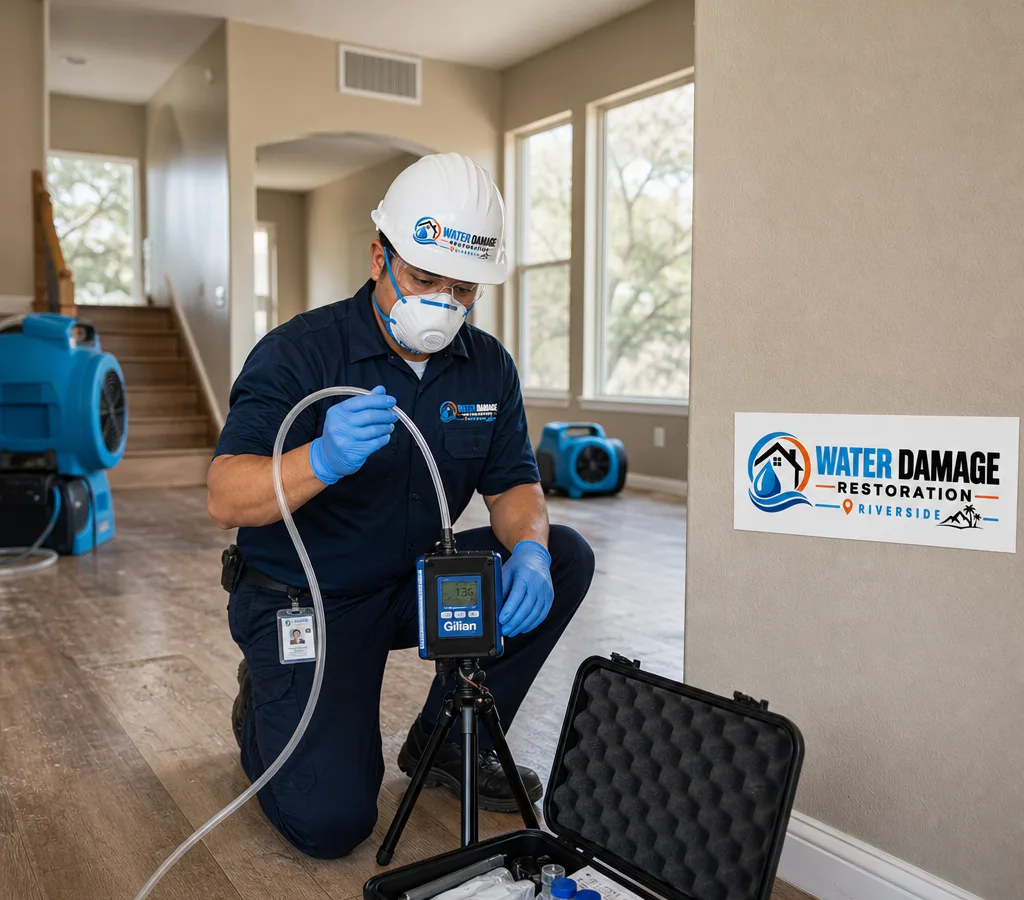
A mold inspection in Riverside is most useful when you need answers you can act on, not guesses. Persistent musty odors, indoor allergy-like symptoms, visible spotting, or a recent plumbing or roof leak are all reasons to investigate whether mold is present and what conditions are feeding it.
Moisture is the driver. Common sources include slow supply-line leaks, water intrusion around windows, aging shower caulk and grout, HVAC condensation, or building materials that never fully dried after a spill or backup.
You do not need to see widespread growth for mold to be a concern. It can develop inside wall cavities, under flooring, behind baseboards, or in attics. A proper inspection combines visual checks, moisture evaluation, and targeted sampling so decisions are based on real data.
Inspection and documentation
Our team at Water Damage Restoration Riverside approaches each inspection like a diagnostic visit. The goal is to identify the likely moisture source, document affected areas, and provide a report you can share with a landlord, property manager, insurer, or contractor.
A typical visit includes:
Afterward, you receive clear findings explaining what was observed, what was tested, and what the results mean. If an active moisture issue is indicated, practical next steps are included so the problem does not keep returning.
Useful, defensible findings
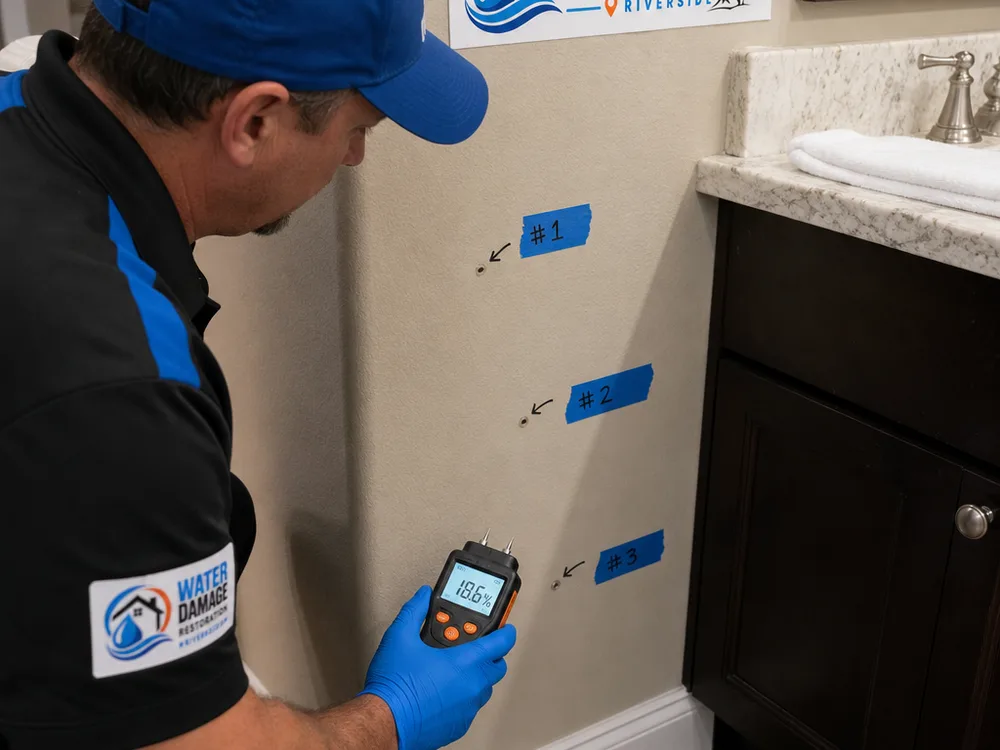
We sample based on building science: where moisture travels, where air moves, and where materials stay cool or damp. That keeps results tied to real conditions in your property.
A mold inspection is incomplete without addressing why materials got wet. We document moisture indicators so you can prioritize the fix that stops regrowth.
You get written findings, locations, and photos so property managers, tenants, and contractors can stay aligned on scope.
If findings suggest elevated risk, we explain immediate ways to reduce spread, including limiting airflow and avoiding DIY sanding or dry brushing.
We inspect single-family homes, apartments, offices, and retail spaces with attention to shared walls, multi-unit airflow, and access planning.
Inspection to clear next steps
We ask about odors, staining, past leaks, HVAC concerns, and sensitivities so the visit is planned around the property and your concerns.
We inspect areas of concern and adjacent spaces where moisture commonly migrates, documenting conditions with photos and readings.
When testing will answer a meaningful question, we collect appropriate air or surface samples and maintain clear handling for the lab.
Samples are analyzed by a qualified lab, and results are reviewed in context so you understand what the findings mean for the affected area.
Your report summarizes observations, testing, results, and recommended actions, including where further investigation may be warranted.
Riverside inspection pricing
Most mold inspections in Riverside typically range from about $300 to $900, depending on property size, how many areas need evaluation, and whether sampling is included. A small condo or single concern area is usually at the low end, while larger homes, multi-unit situations, or inspections with multiple samples trend higher.
Price changes with attic or crawlspace access, the number of rooms involved, visible growth versus hidden suspicion, and the documentation required for a tenant, buyer, or insurer. Exact pricing is confirmed after we understand the property and inspection goals.
Riverside property context
Riverside properties range from older homes with original windows and aging bath fans to newer builds with tighter envelopes that can trap humidity. In either case, mold risk comes down to moisture and airflow.
Downtown Riverside multi-unit buildings: Shared plumbing chases and adjacent units can make it harder to pinpoint where moisture began, so boundaries need attention—not only the room showing symptoms.
Canyon Crest and Alessandro Heights: Larger footprints, roof penetrations, and multiple HVAC zones call for careful checks of attics, register condensation, and prior roof-leak areas.
Arlington and La Sierra: Mixed housing ages mean varied ventilation. Bathrooms relying on a window instead of a working exhaust fan often show elevated moisture near ceilings and trim.
If a leak or damp material is being addressed at the same time, begin with clear diagnosis and documentation so the plan matches the conditions found.
“We had a musty smell that kept coming back after a bathroom leak. The inspection pinpointed moisture behind the vanity and the report made it easy to coordinate repairs with our contractor.”
“They explained the difference between what you can see and what might be inside the wall, and they did not oversell. The results were clear and we knew what to do next.”
Practical questions
Scheduling depends on current demand, but situations involving recent leaks, active moisture, or health concerns are prioritized for time-sensitive decisions. Share tenant access or multi-unit constraints up front so the appointment window fits the property.
Suspected hidden areas can be investigated, but inspections generally begin with non-invasive moisture mapping and targeted sampling. If conditions indicate a concealed issue, the report identifies where a small exploratory opening would be most informative.
Air samples evaluate what is airborne in a room at the time of testing. Swabs or tape lifts identify material on a surface. The sampling method is chosen according to whether the concern involves indoor air, visible spotting, or residue after cleaning.
Yes. An inspection can support buyer due diligence when there are warning signs such as staining, musty odor, disclosed leaks, or persistent bathroom humidity. Findings can help you decide whether to request repairs or further investigation.
Most occupants can remain during an inspection. Certain rooms may need to stay closed briefly before and during air sampling. If someone is highly sensitive, practical ways to limit exposure can be discussed in advance.
After results are available, next steps are outlined according to the moisture source and affected locations. If wet materials remain, correcting the moisture issue is the priority, and related water-damage risks can be assessed as part of the plan when appropriate.
Tell us what you're noticing and where it's happening. We'll schedule a Riverside mold inspection, document conditions, and provide a clear report and next steps to protect the property.